Showing posts with label Drinks. Show all posts

Saturday, December 12, 2015

Avoid The New Year’s Headache: Drinks Party

Hangover Cures: Avoid The New Year’s Headache

Introduction

I love this topic. In fact, I’ve written about it a few times before. If you’re interested in learning if and how alcohol affects muscle building, strength, and fat loss – stay tuned for more tips.
Let’s start by getting two things out of the way:
1. I think it’s safe to say that most people will over-indulge in drinks on new year’s eve and proper nutrition is the way to go in reducing your new year’s day hangover.
2. I’m sorry to say that there in no actual hangover cure, but there are many ways to reduce a hangover, or help you recover quickly from one.

Enjoy the New Year – I have the hangover covered

One of the main reasons why I love this topic is because I love to let loose and party for new years and the holidays.
The average alcohol consumption goes up during these times of the year. So much so, that some hospitals report many ER visits from people who have “holiday heart arrhythmia”.
An alcohol induced version of arrhythmia that usually goes away, and isn’t too concerning, but it is a warning sign.
I’ve listed a few of the top hangover “cures” below:

1. Hydration (water + electrolytes)

Hydration is key to reducing the effects of a hangover.
I’m sure you’ve noticed that having a glass of water before bed helps a bit the next morning. Re-filling that glass and keeping it bedside for the morning is also important.

However, your electrolyte balance plays a HUGE roll in how you feel and how well you re-hydrate.
Electrolytes are crucial not only to hydration but to regular functions of life as well. They are essential minerals that your body can’t make, meaning you need to get them through the diet.

In terms of hydration, they help direct certain amounts of water into parts of the body that need it.
They are also crucial to the function of the nervous system and they are used to contract and relax your muscles.

When you drink alcohol, it not only dehydrates you, but it also depletes many vitamins and minerals that your body needs to function optimally. The decrease in electrolytes is one reason why you feel so crappy and lethargic the next morning.
Solution: Try a sports drink that has electrolytes in it either before bed, or in the morning when you wake up. You’ll be glad you did.

2. Eating fatty foods

As much as I hate to admit it, eating a big dirty meal before drinking can help cure your hangover (if you can stomach it).

Some of the fatty acids can help act as a lining of the stomach and because they take longer to digest.
It also slows the process of alcohol digestion. This is also a common strategy to do the morning after drinking.

The mixture of a high calorie breakfast with a mixed ratio of carbs, fat and protein can be beneficial in balancing blood glucose levels, providing vitamins and minerals that have been depleted and again, coating the stomach for some relief.
Solution: If you choose to eat a big breakfast after, certain ingredients will help more than others.

3. Eggs

Eggs are great, especially if you care about fitness.
They’re a quality protein source so you preserve your muscles AND they are rich in an amino acid called “cysteine” which helps break down toxins such as alcohol.

4. Greek Yogurt + Fruit

Greek yogurt is another phenomenal protein source with a creamy texture that can also sooth the stomach lining.
When couples with fruits (especially berries), your body will use its antioxidants to fight off the free radicals that alcohol produces in the body.

Those are just a few proven remedies

new year's day hangover_2
My favourite is always the sports drink, half before bed, half when I wake up, then an hour or so later, going for a nice breakfast.
Common folklore speaks of many crazy (and gross) sounding remedies and most are some form of fermented food that may not seem appealing.
However, some research has proven fermented foods like pickles to be soothing for the stomach during a hangover and they do carry electrolytes as well.

What about exercise?

I know… that’s why I saved it for last.
IF you SOMEHOW, SOMEWAY get your butt out of bed, going for a light aerobic workout will help you rid your body of toxins, and any left over alcohol itself.
The body does so in two ways.

1. Sweats out toxins and increases your metabolism
2. Increases your HR which in turn increases your breathing volume.
Yes, you can actually breathe out alcohol from your body. Although not a whole lot in the grand scheme, you may be releasing 2-3 or more times the amount you would if you weren’t exercising.

This does NOT apply to strength training.
Your nervous system is for the bin the day after heavy drinking. You won’t be as strong, or have as much work capacity so unless you’re doing a “de-load” workout, or aerobic exercise, you’re better of skipping the gym that day.

So if you happen to drink a bit too much new year’s eve, don’t forget to give these remedies a try, in order from first to last.

7 healthiest teas and their health benefits

7 healthiest teas and their health benefits

Tea is fabulous- and so are all of its benefits. Drink your way to good health by trying a variety of the healthiest teas. For those of you that have not embraced the tea drinking habit, maybe you’ll consider brewing a batch after reading this! Drink it hot, drink it cold…whichever way you like!

What are the healthiest teas?

1)     One of the healthiest teas is Green tea: It’s good for your eyes AND your heart! Just like any part of the body, your eyes and heart can suffer from oxidative stress. Green tea improves endothelial function which is related to cardiovascular health. Drink Green tea and not only will you see better but your heart will love it too!

7 healthiest teas and their health benefits

2)     White Tea: This tea is anti-aging! Who doesn’t want to look younger? It has a high polyphenol count which makes you gorgeous! The extracts in white tea inhibit wrinkle production by strengthening elastin and collagen in your skin. Did you know the fountain of youth is inside one of your daily mug of healthiest teas?

7 healthiest teas and their health benefits
3)     Black Tea: Black tea is good for you in so many ways! It is good for relieving stress as well as reducing blood pressure. As stress goes up, so does your blood pressure (which puts you at risk for heart attack and stroke). Hold the stress and grab a cup of black tea. You’ll also lower your blood pressure while you’re at it! In addition, black tea will also freshen your breath at the same time! Black tea is one of the healthiest teas around. It is full of polyphenols, which are powerful antioxidants that inhibit plaque and bacterial growth in the mouth. In addition to this, it has glucose-inhibiting properties, meaning that it may also help to prevent diabetes! Drink black tea to have low blood pressure, a slim waist line, fresh breath, and to be stress free!

7 healthiest teas and their health benefits

4)     Peppermint Tea: Sip on this delicious, yet potent tea to relieve constipation or GI irregularity. Whenever you experience an uncomfortable bout of constipation, peppermint tea is sure to improve motility in the GI tract and get you going.
7 healthiest teas and their health benefits

5)     Ginger Tea: This anti-inflammatory tea is another on our list of healthiest teas. It will relieve any migraine because it blocks prostaglandins- the chemical messengers that cause swelling in the brain. It works just as fast, or faster than aspirin would, so why not go nautral! It will also help to relive sore muscles and joints. If that’s not enough it will also help to improve any gastrointestinal inflammation you may have.

7 healthiest teas and their health benefits

6)     Kombucha Tea: What’s that? It’s a fizzy, fermented tea drink that is actually full of beneficial bacteria and yeast. Consumption of Kombucha tea promotes the growth of healthy flora and gut health. It is essentially a liquid probiotic supplement. You’re giving your body what it needs to function efficiently, keeping digestion working properly and your immune system working at its potential.

7 healthiest teas and their health benefits

7)     Passionflower Tea: Passionflower has the flavone chrysin, which has anti-anxiety benefits. It works best for people with anxiety or OCD. Restless at night because you cannot shut your brain off? Try a cup of passionflower tea before bed to calm your mind.

7 healthiest teas and their health benefits

You can use tea bags or go loose, drink it hot or cold, but either way, tea is fabulous! So why not try some of the healthiest teas as a refreshing alternative to other drinks.

Friday, December 11, 2015

The Increasingly Transcendent Spirit of Rice Beer

 
Consider the following from the Beverage Tasting Institute:
Clear with a nickel cast. Bright honeyed Asian pear, ripe pineapple husk, and delicate lemongrass and anise aromas follow through on a soft, silky entry to a dry-yet-fruity medium with excellent depth and glassy smoothness. Finishes with a long, refreshing fade with a hint of coconut milk. Excellent vibrancy and acidity for the table.
No, it’s not Meursault or Alsatian Riesling. It’s a sake: the ultra-premium Tears of Dawn by Konseki. Yes, sake, but now, with much the same aplomb seen in the current craft-brewed beer explosion, Japanese sake brewers like Konseki are experimenting with exciting new styles, as well as revisiting some of the island country’s most revered rice-brew methods dating from as long ago as 2,000 years. (By the way, “rice wine” is one of alcohol’s most pervasive misnomers.) Unmistakably Japan’s national beverage, the oldest active sake brewer was founded in AD 1141.

Rice “Beer” History
Humanity’s first brewmaster likely chewed on mouthfuls of grain, allowing enzymes in saliva to break down the starches so wild yeast could turn the gob into a form of beer. Likewise, the earliest winemakers crushed grapes into simple hollowed-out depressions in boulders and left them for wind-borne yeasts to find and feast on the sugars; in effect, emitting alcohol (wine) as waste. As inebriants, these crude beverages were coveted as divine gifts. Time passed, techniques improved, and the craft of making alcohol from grains and grapes developed most promisingly in the religious orders. From the abbeys and monasteries of Flanders and Burgundy and Kyoto, early ascetics found that their brewing and winemaking skills earned them special protections and favors from local rulers. Thus, wine and beer and devotion came of age together.

Sake’s four ingredients are rice, koji (a natural mold added to moistened rice to break down the starches), yeast, and water. Nearly 60 varieties of sake rice — much starchier than eating-rice — are cultivated around Japan, each with its own nuance and compatibility with the available water. Quality sake is dependent on the painstaking process of milling or polishing off the outer layers of each grain of rice to reach the high-starch interior (sake is graded by what percentage of the exterior has been removed in a process that can take more than 70 hours).

From the mills, the rice emerges hot and dry. It is allowed at least two weeks for cooling, helped along by a dose of humidity; then it is washed to remove impurities and soaked in fresh water to help with the starch-to-sugar conversion. Water quality is crucial: rice reacts very favorably to trace amounts of potassium, magnesium, and phosphoric acid, while a high-iron content doesn’t work at all. Next, it is steamed and then cooled again until the expanded rice is perfectly ripe for the koji mold to further break down the starches. Koji’s influence also enhances the body and character of the final product and works compatibly with yeast, the next step in sake’s exacting preparation. In a four-day process, massive vats are filled sequentially with a conglomeration of steamed rice, koji rice, and the yeast starter. Fermentation takes 15 to 18 days. By adjusting the dosages of the three elements, brewers manipulate the final style of their sake in terms of sweet or dry, lighter bodied or rich, etc. The fully fermented liquid is then pressed off and filtered through charcoal (or sometimes not). As is the case with unfiltered wine, certain brewers believe filtering robs the sake of unique flavors and authenticity. Finally, the sake is heated to about 150 degrees Fahrenheit for pasteurization (or sometimes not). Brewers can also add a bit of water at this time to reduce the alcohol to around 15 percent. Certain styles of sake call for distilled alcohol to be added during fermentation. On average, sake’s alcohol content is around 15 to 16 percent. Indeed, sake is anything but simple and straightforward.

Types and Serving Tips
Premium sake is made in three categories: Junmai — 30 percent or more of the rice is milled away. (The Junmai category also includes Honjozo sake, wherein a small amount of distilled alcohol is added during fermentation.) Junmai Ginjo — 40 percent or more of the rice is milled away. Junmai Daiginjo — 50 percent or more is milled away. (Less than 10 percent of all the sake on the market is made to the standards of Ginjo and Daiginjo.)
If alcohol was added during fermentation, producers will not use the term “Junmai.” Nigori refers to unfiltered sake; the bottles retain lees (dead yeast cells and rice polishings) and appear cloudy in the bottle. Otherwise, look for Genshu if you’d like undiluted sake, and Nama if you like your sake unpasteurized.

Contemporary sake drinkers are experimenting wildly with sake cocktails, Western food and sake pairings, wine glasses and other unconventional drinking vessels, and so on. The most significant and freeing new practice is to drink sake at room temperature or chilled. Nevertheless, the extraordinary nuance found in premium sake is best experienced at temperatures well above human body temperature.

Historically, the Japanese drink sake with food — either choose a sake to pair with a dish that has complementary flavors, or play up the contrast in flavors between the two. Sake is especially well suited to raw fish, fermented and pickled foods, dishes featuring miso and soy sauce, and even cheese, due to the koji flavors inherent in sake. Professionals point to the high amino acid content of sake as the reason it pairs so well with so many foods, but you may be more comforted by an ancient Japanese proverb, which simply translates to “doesn’t get into fights with food,” in the words of Philip Harper in his The Book of Sake.

Wednesday, December 9, 2015

Six Coffee Hacks Everyone should know


Scientists work tirelessly to uncover the mysteries of the natural world, from the reasons we binge eat to the best way to wash our hands. Now they’ve figured out why coffee served in white mugs tastes so bitter. Researchers found that the contrast between the color of coffee and a white mug makes the joe look and taste bolder (read: more bitter). By the same line of thinking, coffee served in clear glass mugs tastes sweeter.
So, yes, those lab rats (the people, not the animals) are obsessed with getting (and studying) that jolt of java. This recent study got us thinking: What other crazy things do we know about coffee thanks to science? Answer: a lot.

1. The optimal temperature to serve coffee

Researchers at the University of Texas were tired of brewing coffee, taking a sip, and burning off a layer of taste buds because the brew was scalding. So they got 300 test subjects to determine what temperature makes coffee drinkable but not mouth burning. Those brave test subjects found that the sweet spot is 136 degrees .

2. The best time to drink coffee

We’ve been conditioned to get our caffeine fix first thing in the morning (just take a look at the line out the door at your local Starbucks around 8 a.m.). But as Steven Miller, a psychology professor at Rosalind Franklin University, points out, early mornings are probably the worst time to drink a cup of coffee. If we pay attention to our circadian rhythms, specifically the points when our cortisol levels (the magical way we naturally feel alert) are low, we should drink coffee in the late morning (9:30 a.m. to 11:30 a.m.) and during the afternoon slump (1 p.m. to 5:00 p.m.) .

3. The coffee-ring effect

Spill coffee on your shirt and when it dries, it looks a little like a tree stump—light on the inside, dark around the edges. Scientists at the University of Pennsylvania spent more than a decade determining what causes those outer rings. The culprit: the shape of the particles. Round particles form a defined outer ring, while elongated ones do not .

4. A coffee a day keeps the ringing at bay

If we’re being technical, it’s four cups of coffee a day. A study tracked the incidence of tinnitus (a constant ringing in the ear) among 65,000 American women over the course of 18 years. Those who had one cup of coffee a day were 15 percent more likely to have tinnitus than those who had four or more .

5. Try a coffee nap

Coffee and naps don’t seem like a dynamic duo: One would think that the stimulative effects of coffee should stop you from being able to nap in the first place. But it turns out the boost of energy you get from a cup of coffee doesn’t happen in an instant. It takes upwards of 20 minutes for the caffeine to be absorbed by your body. Researchers at Longborough University found that drinking a cup of coffee and immediately lying down for a 15-minute nap kept tired drivers more alert than trying just coffee or a nap . We usually stick to a playlist with bumping beats to keep us awake on the road.

Your Brain On Beer vs Coffee


Let’s just pretend that there aren’t already enough not wholly accurate metaphors that describe the college experience and try to entertain this one: getting your degree is like walking a tight rope with a beer in one hand and coffee in the other. Even if you don’t drink and aren’t that keen on coffee. Well you really don’t even have to be a college student either. The point I’m trying to make here is that there is a delicate balance concerning when to relax and when to get down to business.
This raises some interesting questions though. With the knowledge that we have about drugs like alcohol and caffeine, despite their drawbacks it seems that there is supposedly a way to responsibly maximize their benefits. If that’s true then it makes you wonder, are we missing our full potential by not taking the right drugs at the right time?
Well it would seem that way in theory, but there are plenty of people who are doing great things without the help. Then you have someone like Charles Bukowski. He was featured in an infographic last week about sleep habits and productivity. While being the latest to wake up every morning at noon (which even that seems a little early for him) he was also one of the more productive writers and a very committed alcoholic. There is a natural tension and release in life that can be intensified by drug use, but whether or not this is conducive to a more fruitful lifestyle is a very difficult question.

A great collection of wine infographics

A great collection of wine infographics

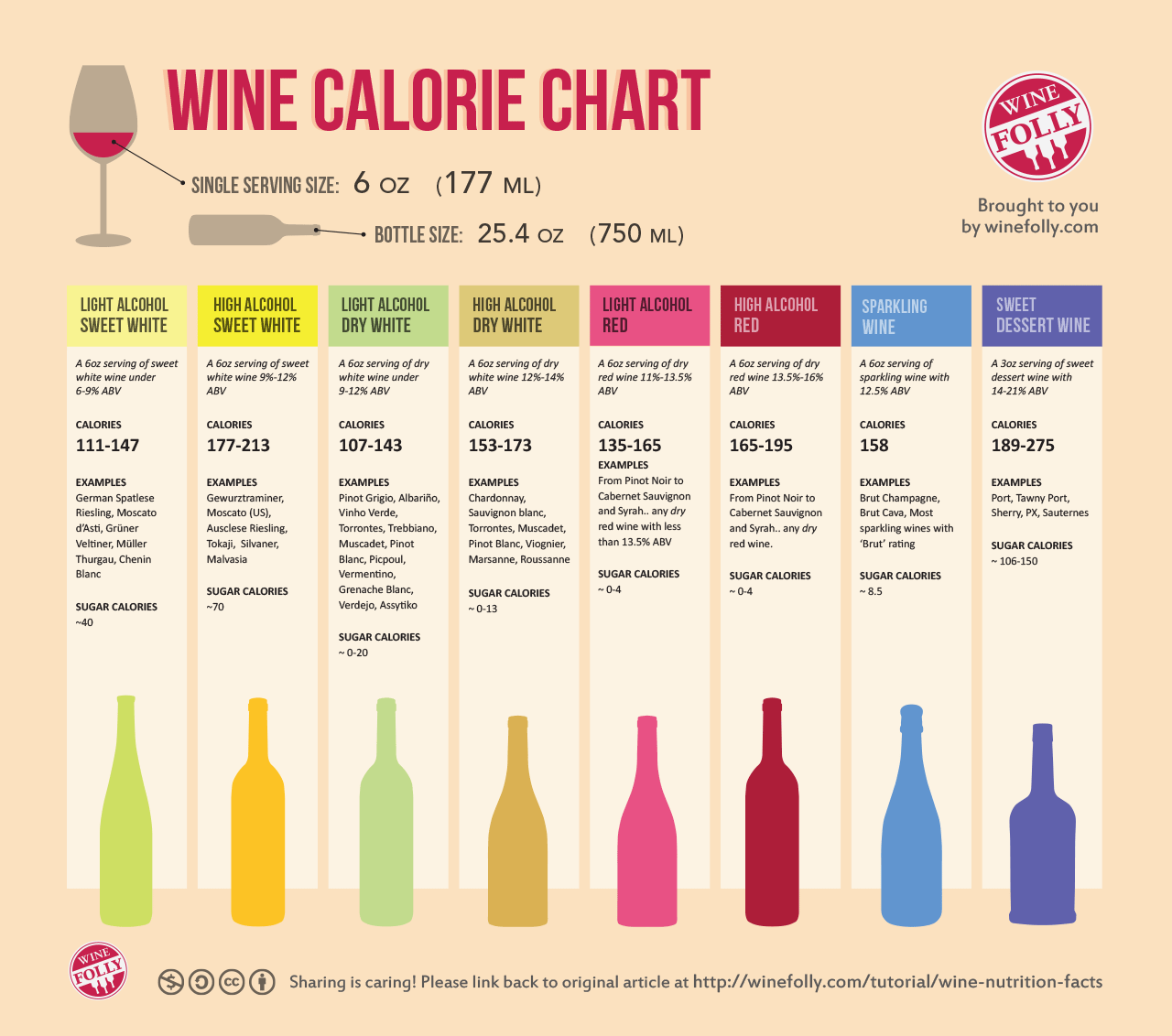
Here’s a collection of wine infographics that have come our way recently. Enjoy and be edumacated in wine!
ultimate-cheese-2
a-another-wine-graphica-basic-wine-pairing-chart-wine-follya-Different-Types-of-Wine-Infographic-Chart3a-how-to-opena-level-of-knowledgeamountdrunkanotherwineandcheesea-truth-about-wine-pricesa-Wine_Chartawineandbeerconsumptiona-wine-aroma-charta-wine-beer-pairing-fulla-wine-caloriesawinecheatcharta-wine-corksa-wine-glassesawinevsbeerbenefits of red wineChart-tempGiro-Di-Vino  wine tastingwine-nutrition-facts-calorie-chart1winetemps-3-fullsize
what your wine says

Tuesday, December 8, 2015

That third drink? We’ll take it to go, if you’re offering

The World Cup is here. That magical time where the world comes together to watch top athletes at their peak of physical fitness play the world’s most popular sport.
That being said, there’s not a lot of fitness encouraged when watching sport. Chocolate, sugary drinks and alcohol are everywhere at the stadiums, on the TV and the product tie-ins mean we’re surrounded by the temptation to indulge in some cheesy nachos or a few slices of pizza. In fact, Men’s Health estimated that the average man will consume 1,913 calories during World Cup matches.

There’s nothing better than getting together with friends to watch the matches. However, you don’t have to over-indulge and suffer for it. Recommended daily limits show that men shouldn’t drink more than 4 units a day, and women shouldn’t drink more than 3 units. A pint of normal strength lager or a glass of wine is around 2.5 units, and a single shot drink (whiskey and coke, or gin and tonic) is one unit.

At Alcohol Concern we’re launching a simple campaign – if you’re watching the match and finish off your second drink, why not buy one for us? You can have a great night watching the games, while helping our work too. Simply text BALL24 £4 to 70070 to donate the cost of a drink to us.
With the matches running so late it’s best not to overindulge, especially if you’re driving to work the next morning. And while we’re on the subject of driving, if you are the designated driver, why not get your friends to donate to us when they offer to buy you a drink?
Save the text to your phone now, then if it comes up over the next month all you need to do is choose the amount and click send. Both we and your waistline will thank you!

Such a pleasure! - Alcohol

Why? Because she is a recovering alcoholic and is dry all year round. Here’s Diane’s story… 

“Dry January” was an exceptionally easy month for me. Why? Because several people weren’t drinking alcohol last month. You see, I can’t drink alcohol again – ever- and this is hugely difficult when living in a society where alcohol is not only the norm, but so highly valued and prevalent.  Alcohol really is everywhere and when you can’t drink you feel excluded from a large part of social activity.  Most people drink alcohol, and not drinking makes me feel like an outsider.  It’s difficult to celebrate, or indeed commiserate, without alcohol – just try it.  This feeling of being outside the group can make you feel different from the people you are with as they happily share a bottle. All you want is to be one of them, look the same, enjoy the same feelings, be part of the set. However, I know that I have to stay sober, and one of the ways I cope with this is by drinking non-alcoholic wine which looks the same as “normal” wine.

As a recovering alcoholic I am also aware of the stigma towards alcohol dependence – a reason you may not wish to tell others about your alcohol problem…  Remember, all of this is in a society where alcohol plays a hugely central role.  Someone who was having treatment for a drugs problem said to me that it must be even harder  to come off alcohol  than drugs as alcohol’s prevalence and important place in our society must be like “having a dealer on every corner”. Everywhere you go there is a pub, a restaurant with wine glasses on the table, people drinking in the street.  A dealer on every corner.  Think about that. Then perhaps you’ll realise how difficult it is.

I’m very fortunate in that I’ve managed to keep most of my friends even though I didn’t see some of them for a very long time. That was partly because alcohol wasn’t the main thing in their lives, unlike in mine, so increasingly we had nothing in common and then later, after I’d detoxed, I couldn’t cope with the interaction. They could drink alcohol and I couldn’t. At all. That was too difficult to handle. Amongst my friends I’m the only one who doesn’t…no…can’t… drink alcohol. That’s a hard one. You see, when you detox you have to make a decision if your friends drink (and let’s face it most people do) — do you stay with them knowing how hard it’s going to be or do you say goodbye to them and put yourself in an ivory tower with people who have the same problem as yourself hoping that these new, safer, friendships will become established and in time flourish?

I decided to stick with my “old” friendships. My very close friends know that I’m addicted to alcohol and other friends don’t. But by drinking non-alcoholic wine, which looks the same and tastes OK, I am able to be (and feel) accepted. Anyway I have no choice. What it comes down to is that I definitely want to look part of the group and not stick out like a sore thumb. I admire those who can sit happily sipping sparkling water whilst the rest enjoy their wine or beer, but I can’t do that. I want to be seen as an integral “fun” person in the group, not a dampener on others and I have a horror of appearing pious.  These fears seem to be partly addressed by my looking the same, looking as if I’m drinking wine along with the rest of the group.  Perhaps you find that a bit pathetic but it works for me.
Drinking non-alcoholic wine takes quite a bit of organisation as it isn’t easily available. Why not? A great pity!

The brand of non-alcoholic wine I drink goes through the normal wine-making process, then has an additional step added – the alcohol is removed.  It comes in red, white, rosé and sparkling white.  For various reasons (for example stigma), I don’t usually tell people that is what I am drinking.  But if I do tell them, they usually immediately ask to try it.  My answer is by all means try it, but do not tell me if you think it’s awful, as I have no choice.
Oh, I should mention that occasionally I drink non-alcoholic beer, which actually tastes very like alcoholic beer, and is relatively easier to obtain. Again the desired effect is achieved as I look the same and feel part of the group.

Incidentally, at the alcohol treatment centre I had to “fight” to have it accepted that I was going to cope by drinking non-alcoholic wine, as they felt it was too dangerous because it would bring back the mores and rituals of drinking alcohol which would be too difficult to handle and resist.  Well, it’s tough going but so far so good …

Do you need Wine now? 

Comment below

Saturday, December 5, 2015

Date Juice Trade in Full Swing in Bangladesh


Winter is almost here in Bangladesh, it is the best time to visit anywhere in Bangladesh.
This is why I'm writing this today to let you know a little about the country, The Proud Bangladesh!
 
Like every year, date juice extractors, locally known as Gacchis are busy as winter brings the new trade. They collect juice from the Date trees and sell them haat and bazars. The juice is popular among the locals as well outsiders.
.................................................................................................


Date juice extractors (Gacchis) in three upazilas of Narail district are all gears up for their seasonal business as winter sets in Narail district.
Razzak Mollah, an extractor of Bashgram village under sadar upazila said that they do brisk business in every winter. He added that Narail district has a great demand for date juice, molasses and Patali molasses in different districts of our country for it purity and high quality. 

While visiting different upazilas of the district on Monday this correspondent found the extractors (gachhis) are now desperately busy. At the same time they are also busy preparing the boiling places for juice and other necessary tools, including Dao (machete), needed for trimming date trees.
The extractors move from one tree to another the whole day for the preparation and this is the common scene in all the villages and the town areas. 

DAE sources said that due to favourable climate condition of the district makes it suitable to grow date trees in abundance, good quality and purity makes popular date juice and Patali molasses of the district.
Everything is going on like a festive mood. Making various kinds of cakes cannot be thought of without molasses of date juice. The solid molasses is locally known as Patali and this molasses is produced by boiling date juice.

Pure date juice is very tasty to drink and the village people like to drink date juice every morning throughout the winter. The extractors and the members of their families spend busy days and nights for the whole winter for boiling date juice for making patali.

Another source said to me, here are about 60 haats (village fair) and bazars in the district for selling date molasses. Farmers can sell their produced molasses in the haats and bazars easily. Many traders of the country come here for purchasing date molasses, he added.

So friends, you are always welcome to see and take the taste of Date Juice in Bangladesh.